Archives for category: Art

I drive through your town, and while I am the one behind the glass, you are the one under the microscope, a grazing beast on my human safari. I am the looker; you are the looked upon.

I come to your home, my attention rapt upon you, a voyeur with a camera, legitimized by my passport. I am the visitor, you the local, yet you become the foreigner under my gaze. Your normal becomes exotic, your habit queer. Do not forget that this exchange is for the benefit of the intruder.

I watch you live. I see you cook your food and wash your clothes. I see you pray; I watch you grieve, documenting your life under my rapaciously curious gaze, snapping photographs – memories archived for amusing gossip with friends upon my return. Having witnessed it for a few days, I stake ownership over your story and tell it now as the expert, the wisdom of a worldly traveler.

You endure my objectification, smile at my unencumbered white skin, because more than you are here for my enlightened diversion, I am here for your necessity. The scraps you live on are viciously insufficient, forcing you to beg for some off my own gluttonous plate. I chafe at the expectation, indignant that the price of a beer has outrageously ballooned to three dollars a bottle when in the last town it was only two. If you are lucky, I will remember I pay eight dollars at home, and tip you the difference. Do you feel lucky?

You are examined, inspected, scrutinized, and then you are abandoned. You are left in your poverty. You remain without. I return to comfort, and declare your life “interesting.” Your role as an item on my bucket list has been fulfilled.

We the tourists are entitled to the world, colonizers with fanny packs.

Yet those who never leave their home cannot see. They are limited by a provincial myopia, and the world revolves without them. Your story is forever elusive. If you are seen at all, it is through the distorting prism of media gloss and political bombast. You are both monster and victim, your humanity buried under self-serving spin.

Is this an improvement? Are you better off ignored? Must I remain detached from your existence to avoid exploitation? How can I see you without looking? How can I engage with you equitably when my very status as visitor privileges me over you?

I aim to exemplify the virtues of the guest. I engage with you on the terms of your household. When there is discomfort, I tolerate it, recognizing the privilege of your hospitality and embodying the humility of one out of their element. You are my host, receiving me with gratitude and generosity. No longer taking, what I gain is what is shared.

We are no longer detached, observer and the observed. We embrace across borders. I do not return to a different, more comfortable world, recalling you as an alien Other. We persist in the same world, unfair in my favour. I seek you in solidarity, a global fraternity. May we remain united.

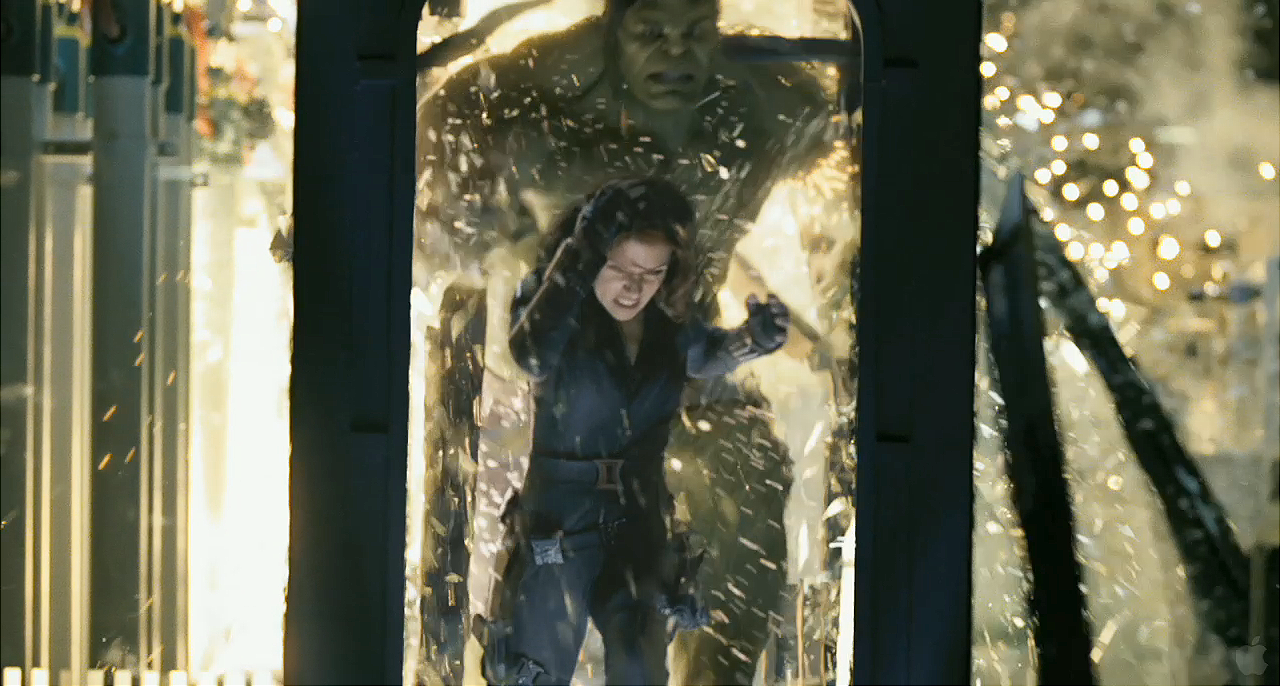
Thematically, the Hulk is an overwhelmingly masculine character. He’s the personification of the masculine urge to break your hand punching a hole in the wall because you don’t know how to otherwise process an insecurity. When a domestic abuser says that they “lost control” leading up to their violent outburst, they are channeling the Hulk. Any strong emotion pushes Bruce Banner into a destructive rage, a literal manifestation of the toxic pressures on men to limit their “weaker” emotions and only project strength. These are all quite blatant masculine tropes. Now, obviously the Hulk is “one of the good ones”, so his horrifying superpower is always ultimately directed at the villain. He becomes Lt. Col. Dave Grossman’s sheepdog, utilizing the viciousness of the wolves against them, all in the name of protecting the sheep. We all know mindless brutality is bad, but when it’s channeled in opposition to evil, then it becomes good! Don’t you feel safer knowing that the dude punching holes in the wall is the same dude with a gun protecting all of us from faceless terrorists?

I’m so sorry baby, but you know what happens when you make me angry!

Despite its palpable presence in the character, an exploration of gender within Hulk media has not yet developed. Maybe it has in the comics, and I would appreciate anyone sharing that with me if it has, but at least in the media I’ve consumed, I haven’t come across it. Despite the reticence to explore gender with the Hulk, however, Marvel and Disney+ decided to take it for a spin by adding a pronoun with She-Hulk: Attorney at Law.

With the Hulk being so obviously masculine, it was always going to be a struggle using Hulk-ism to analyze gender through a female lens. The writers at She-Hulk seemed like they were trying to take radical feminism into the corporate mainstream, but ended up espousing the backwards ideology of Caitlyn Jenner: the hardest part of being a woman is figuring out what to wear. The show makes multiple references to some of the struggles of women, but these only exist for the main characters to roll their eyes, and are never really confronted. Toxicity presents itself passively as an immutable constant from which to derive superpowers, not as a social ill to be addressed. The show tells us (literally verbatim) that it exists on the fringes of the reluctant superhero trope, that She-Hulk isn’t there to mindlessly smash a villain in an epic CGI battle (perhaps because rage is associated with a different pronoun). Unfortunately, that leaves us with not-so-scintillating conflicts like: needing a new outfit, dating in your 30s, and being a reluctant bridesmaid – tropes reminiscent of those romantic comedies about women trying to have it all, but then realizing they still need a man to feel complete.

This blog is really just an excuse to play around in photoshop

In addition to failing at feminism, it also fails at portraying masculinity. Each new episode seems to have a new skeezy dude, and even “some of the good ones” turn out to be manipulative by the end. These aren’t traditional villains that want to take over the world, but guys who mansplain, that are lecherous to the point of absurdity, men who are unable to commit, predatory strangers, etc. She-Hulk is not the first piece of media to have poorly developed, one-dimensional characters, but it’s the equivalent of having a menstruating woman president firing off nuclear missiles because of her PMS. It doesn’t matter how many positive representations exist alongside of it, it’s still a pointed insult. Just because there is some reality depicted by the skeezy male behaviour doesn’t mean an extreme caricature is the appropriate method of representation. And thanks to the show’s shallow feminism, these caricatures are not seen in any systemic context, so the conflict becomes with the men themselves, with men and male behaviours, rather than with the patriarchy that spawned them.

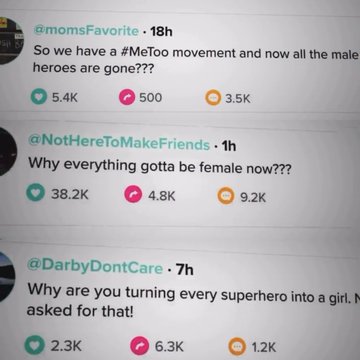
The weird thing is, the show writers knew it was going to be bad. The main “villain” of the show is a gaggle of internet trolls talking shit about She-Hulk and her gender, a meta attempt to preempt its own criticism. Rather than trying to write a better show, they absolve themselves by pointing to bad faith actors and saying that if you think we’re failing at feminism, you’re just like them. She-Hulk takes an adversarial tone not just within its feminism against its male characters, but against its viewers as well. They wrote the show as a lecture to berate the people watching it without making it good enough that this meta-antagonism would be tolerable.

But it’s okay when Jen herself points out that She-Hulk is derivative from the Hulk – pick your commentary, writers!

Television shows have the ability to discuss gender, even toxic masculinity, without provoking massive online hate. Consider Ted Lasso and the fall of Nate the Great in season two. Season one has Nate learn that strength comes paired with dominance as he is bullied and belittled by the male players, and is rescued by the strength and dominance of another man. In season two, as he becomes more and more recognized, he seeks that dominance in a confused attempt to impress both Ted and his father. His attempts at dominance are not rejected by his well-meaning friends, but are accepted in a way that infuriates him further. He wants to be the big tough guy who succeeds in crushing his enemies because that’s how he learned to be a man from season one – acceptance is not a part of the masculinity he learned. Nate betrays his friends by joining another team, and we at home are heartbroken because we can’t help but see the problems in his behaviour – they have been spelled out so beautifully within the show itself. Toxic masculinity is explored in an illustrative systemic context, is shown why it is toxic, and why it might be appealing to someone engulfed within it. All without backlash from internet trolls.

I mean, nobody liked it because we felt betrayed alongside the rest of the team, but that’s good writing for you.

How could She-Hulk have been better at exploring gender? There are a few ways. It could have picked a toxic masculine trope and committed to it, perhaps with a single villain who gets a chance at character development like with Ted Lasso. But with Hulk-ism so associated with anger, I think the show should have dedicated itself to what anger looks like for women.

When She-Hulk finally loses it, she punches a television and holds a guy up by his shirt. This is enough to cause everyone in the world to freak out and put her in monster jail. In a show that relies so heavily on shallow themes, I was surprised when they didn’t compare this incredibly mild outburst to what literally every male superhero has ever done without any social consequences. In theory, the show could have led with that, and then taken the time to explore why female anger is tamped out in a society that expects them to be meek and demure. This would have been a better show, though I still would likely have had some criticism that a feminism that aims to show that women can be uncontrollable rage monsters too isn’t really the greatest message either.

I don’t remember this part in The Second Sex

I think its best bet would have been to explore anger in a way that didn’t relate itself to rage. As the show highlights, women have much to be angry about, but rampant destruction isn’t the solution to address it. Oddly enough, the show itself is a perfect metaphor for this as it attempts to bludgeon its viewers into its ideology and receives zero converts. She-Hulk was never a rage monster, and there can be value in that. A woman’s anger can manifest itself in something as simple as refusing to change seats on a bus. Jen Walters tells her cousin that women are much better at regulating their emotions because they endure more social trauma, which is false because this ultimately leads to higher rates of depression in women (the opposite of well-regulated emotion) than in men. In reality, anger is a much healthier reaction to injustice than the passive acquiescence depicted in the show. Anger is actually the solution to the problem; it is not to be repressed nor dismissed. She-Hulk could have embraced this constructive use of anger if it really wanted to depict a feminism worthy of its pronoun.

But it didn’t, and I expect Disney to produce a refined piece of critical feminism around the same time they make a show about intimate partner violence and the relationship between Bruce Banner and Betty Ross.

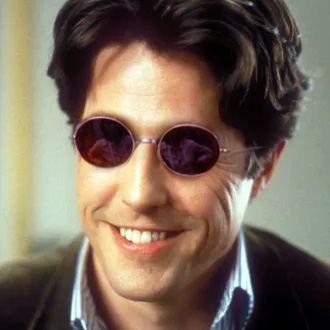
Perhaps you’ve heard the song Behind Blue Eyes by The Who. If you’re unfamiliar, The Who is the band that enables Horatio Caine to make puns about murder while simultaneously putting on or taking off his sunglasses. The song fits within the category of sad men being sad, but what makes it notable is that literally every single lyric is just the worst possible advice to follow whilst being a sad man.

Let’s go through it:

No one knows what it’s like

To be the bad man

To be the sad man

Behind blue eyes

To start off, we have a basic paradox where if you’re relating to this song and taking its lyrics at face value, it already fails. By being able to relate to the song, someone besides the singer knows what it’s like to be the sad man. And like, tons of people have listened to and related to this song! I once heard in like a Ted Talk or something that depression is like a club with the most members in the world who don’t know about any of the other members. One of the best antidotes to depression is connection, and role modeling isolation, however valid it may feel in the moment, is so destructively counterintuitive!

No one knows what it’s like to be the Strong Sad

No one knows what it’s like

To be hated

To be fated

To telling only lies

Beyond the continued advocacy for self-alienation, we are now delving into the concept of determinism. I dislike determinism at the best of times, but using it to justify the hiding of one’s feelings as the only natural response to having those feelings is the worst. It’s the “I’m fine” where ‘fine’ is Fucked-up, Insecure, Neurotic, and Emotional. I know talking about your feelings is like the reverse of conversion therapy, but being honest about them with other people is one of the only ways of processing and moving through them.

But my dreams, they aren’t as empty

As my conscience seems to be

I have hours, only lonely

My love is vengeance that’s never free

This one starts out okay, but then gets significantly worse. There is the initial recognition that hope can exist outside of the numbness associated with depression which is great! Thinking about the future lets psychiatrists know you’re not likely going to kill yourself! But then… we get to love being vengeance. Obviously our singer has experienced a lot of pain that he never let go, and positive feelings he once held have turned to bitter resentment.

People hold on to resentment usually because they believe that a personal injustice has been unpunished, that their pain is righteous, but that hurt only ever goes one way: inward. It’s not the heroic battle for good it purports itself to be. Forgiveness is great not just for social cohesion, but for the emotional catharsis that lifts the weight of that pain from our shoulders. People have a hard time with forgiveness because they believe the crime was unforgivably and biblically terrible or because forgiving someone must mean that you eliminate all established boundaries with them. However, your therapist will tell you that forgiveness isn’t always for the other person, but can be for yourself. The resentee usually isn’t even in your life anymore: it’s okay, my dude, let it go.

A bird let go is worth three in the bush

No one knows what it’s like

To feel these feelings

Like I do

And I blame you

Here our singer moves on to place the responsibility of his feelings on someone else. It would be nice if someone else could manage our feelings for us, but much like everything else in this song, believing this to be the case will make your situation significantly worse. Imagine going to the doctor’s office, and the doctor is late for the appointment. One person might be anxious because they believe bad luck leads to more bad luck; another might be frustrated because they managed their time well in being punctual, and now the rest of their day is going to be out of whack because of this; another might be relieved because they didn’t have an opportunity to emotionally prepare themselves previously, and now they have time to do so. The action of the doctor is the same in all three scenarios, but the emotional response is unique to the individual because we all have our own needs and contexts. The first needs reassurance, the second needs structure, the third needs reflection. Our feelings don’t come from the actions of other people, but are based on whether or not our own subjective needs are met. Other people can support us in strategies to meet those needs, but ultimately our needs, and therefore the causes of our feelings, come from within. There are an infinite number of ways to meet our needs, and if you’re caught up in blaming someone else for your emotions, you won’t find a single one because you’re not even looking at the right problem.

Our feelings, our reactions, our context being subjective doesn’t delegitimize them. Just because the whole world wouldn’t react the same way to something doesn’t mean that the feelings aren’t valid. Feelings are always valid because they’re reflective of needs that are or are not met. Strategies aren’t all valid in that they won’t all help, and the strategy of focusing outward on resentment and vengeance certainly doesn’t.

No one bites back as hard

On their anger

None of my pain and woe

Can show through

We’re back to hiding those tough-guy emotions, so I won’t repeat myself.

Have a picture of a kitten, instead!

When my fist clenches, crack it open

Before I use it and lose my cool

When I smile, tell me some bad news

Before I laugh and act like a fool

And if I swallow anything evil

Put your finger down my throat

And if I shiver, please give me a blanket

Keep me warm, let me wear your coat

These last two verses are about the same, so I’ll do them together. This is when the song picks up, and you might expect some more informed lyrics to counteract all the bad advice that has been previously espoused. You’d be wrong. Our singer is still intent on having someone else manage his emotions for him. Not only does he not want to show emotions, but his ideal partner is the one where he doesn’t have to self-regulate whatsoever. This is an impossible standard to impose on anyone and will always be doomed to failure. He will return to the cycle of bitterness and resentment, and remain forever alone.

We got through it! What’s interesting about this song is that it was initially intended to be sung by the villain of an aborted rock opera that The Who tried putting together. The reason it would be awful to emulate is because you’re not supposed to emulate villains! Mystery solved!

People may ask, Who is Snidely Whiplash, but no one ever asks how is Snidely Whiplash!

Unfortunately, songs don’t come with warning labels indicating that their lyrics are meant to be villainous. The radio DJ is not going to outline, as I have, all of the proper ways to navigate depression prior to playing the tune; they’re just going to play it and cut to commercial. If you fast-forward to the early 2000s, the Attitude Era, when the wrestling was meaner, nu-metal was on the rise, and those with a propensity toward blue eyes began to be angry for what seemed like no reason, we have famed angry man Fred Durst covering this song with his group Limp Bizkit. The demographics catered to by Limp Bizkit are certainly different from those of The Who, and the tragedy of taking this song at face value becomes much more apparent. If you read the YouTube comments for the Limp Bizkit cover, you’ll see scores of people connecting to this through their own depression, or through someone they know who has passed away, one notably by suicide; you can plainly see that people are uncritically connecting to this song despite its concretely harmful message.

This isn’t unique to art. The villainous strategies to corrupt legitimate needs abound. Demagogues don’t provide warning labels either. The racist mass shooting in Buffalo was in response to real anxiety over the impacts of poor resource management on the future – a genuine cause for anxiety, but an obviously horrific strategy to meet the needs underlying that fear. Racism in general preys upon the need for security, reassurance, and belonging, and if it isn’t any of those needs, I bet there it’s one similar. The threats and fears may be real or manufactured, but the strategy to meet them is what is important. Sometimes the most effective strategy is to reevaluate the threat. Anxiety is not inherently intuitive, after all.

Whole lotta really old memes in this one. You can tell I try to cater to the no-longer-that-young crowd

The thing is, though, Behind Blue Eyes is a great song, and it does connect very meaningfully to some very universal feelings of hurt and loneliness. There is a good reason why people respond to it the way they do, in the same way that people respond to racism or similar ideologies with equally terrible practical outcomes. It’s also why these ideas are so perniciously resistant to reason: they’re not based on reason!

A lot of the times people will convince themselves their beliefs are based on facts and logic because that’s far more modern than those rubes from before science was invented, but the same is true for all of us. Reason is a slave to the passions, after all. These people don’t need an argument, they need a hug and to be told they’ll be okay – even if, and perhaps especially if, an argument is what they’re clamouring for. We are driven by our emotions and our needs, that’s fine and valid, but we need to use our heads to arrive at strategies that will actually satisfy them lest we destroy ourselves or those around us.