There’s a common conservative trope in America that responds to any demand for gun reform after a mass shooting with a disappointment in “the left” for making the tragedy “political.” In the most considerate light, this is the assertion that one ought to focus instead on processing grief rather than… what? What are politics? I mean… what am politics? I did a whole bit with my title; I should probably refer back to it for some degree of continuity. So what am politics?

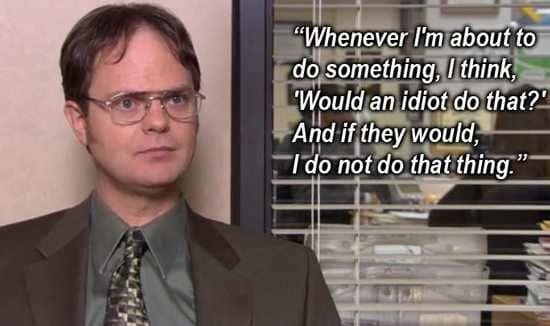
Politics am the process by which a system functions and is successfully navigated. Think of office politics: if I want this report submitted, I know I have to get it in before noon because Pam in accounting has liquid lunches every day and is too sauced later in the afternoon to get any meaningful work done. If I want that promotion, I need to laugh at Scott’s jokes because he is the boss and has a fragile ego and holds a grudge. You have to recognize the power dynamics at play, understand everyone’s role and the eccentricities that inform their behaviour within that role, and perform your own role accordingly in order to meet your own needs within that system.
Politics!

Government isn’t politics; it’s an institution of politics for the functionality of the society that it governs. If I want any hope of a clean energy deal, I have to give Joe Manchin a rusty trombone in order to get it. This is no different than getting Pam to process your TPS reports quicker by buying her a nice vodka cran, if tasting slightly worse. It doesn’t even necessarily matter what the goals are; politics can just as easily gum up a system as it can loosen it. An obstructionist can use all sorts of political tools and rhetoric to achieve the self-interested goals of whatever lobby group is paying for their motivation: that’s also politics. It’s just that the system that it’s sustaining is plutocratic rather than serving the needs of the demos. Systems are legion and intersect in all sorts of ways.

My first example was an office because I specifically wanted to distance politics from government to make it clear that politics exists anywhere. Politics exists across the whole spectrum of governments, and if you think about the vast differences between a democracy and an autocracy, and the different maneuvers that would be required to function within each of them (e.g. how one goes about satisfying the needs of the many compared to satisfying the needs of the one), it’s obvious that politics can be everywhere, even when it’s defined by only its most overt form. Remember, it’s the process by which we function within a specific system. It doesn’t matter what the system is, whether a workplace, a nation, or a relationship, politics is there. When you successfully answer whether those pants make her ass look fat, you’ll likely be congratulated by being told that you provided a satisfactorily diplomatic response: a distinctly political term.

In short, dismissing gun reform by saying, “it’s easy to go to politics” is by definition, politics. If you are carefully considering your words in order to maintain the functionality that serves you within the system you’re navigating, you’re doing a politics. The far more interesting question is, I think, what is political?
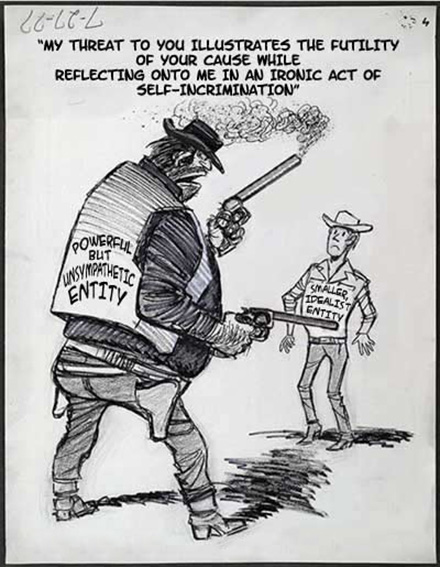
What am political?

When something is political, it means that it is attached to a particular system’s functionality. Laughing at Scott’s jokes is a political act. It is conforming to a persona of flirtatiousness in order to succeed within a business dominated by men informed by a lecherous patriarchal worldview. This is why they say that the personal is political: our individual actions either conform to or rebel against the systems within which we function as our means of navigating them (see code-switching as another example). In Scott’s instance, we have to navigate the system of interpersonal relationships wherein we behave in a particular way to avoid ostracization, the system of a workplace wherein we need to perform in a certain way in order to pay for food and rent, and the system of patriarchy wherein I actually don’t have to worry about this part because I’ve been a dude this whole time.

It would actually be a much shorter list if we try to think of things that are not political. Come to think of it, even an act of God like Hurricane Katrina is still political because it showcased the failures and successes of a variety of systems. Similarly with Covid-19, it too stress-tested the functionality of our various systems. These supra-human events are just as political as, say, the Civil Rights movement because if we are paying attention, we can use politics to adjust our systems accordingly to prevent future failures. Or, alternatively, condemn the system as a whole if we see its successes as abhorrent when the veil is ripped away. Anything can be political if it highlights the (dis)functionality of a systemic response, so our short list is a list of zero. Who knew.
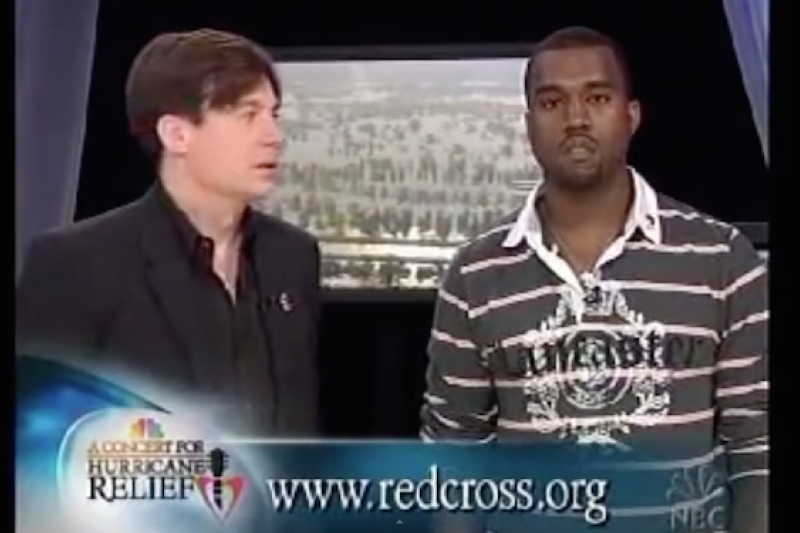
Remember when Kanye cared about black people?

All this boils down to a belief that guns, and all the deaths that inevitably accompany them, transcend literal acts of God in that they cannot be politicized. Right? Something that is embedded in the United States constitution, itself another institution of politics, would defy all reason if we approached it politically. It’s seemingly okay to politicize mental health, and I would genuinely love to see massive increases in expenditures to bolster social supports for those with mental illness, but somehow I don’t think that that governmental response is in the cards either. It would be fun to call the Republican bluff and table legislation that did exactly this to see how Republicans find a way to weasel their way out of it, but Democrats have their own systems they’re trying to protect.

A belief that guns are inevitable does not want the system to change; mass shootings are indeed emblematic of its success. Guns mean freedom! All those dead children are the broken eggs intrinsically linked to this omelet of ambiguous “freedom.” Unadulterated “freedom to” with no regard to “freedom from,” this is what the success of that system looks like. Those who use politics in order to hide the abhorrence of that success using the denunciation of “politics” to do so are the vilest of hypocrite.
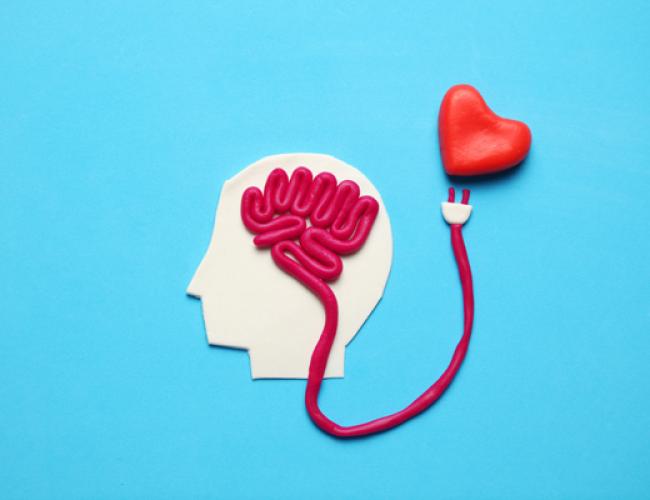
The communist that everyone loves to hate, Joseph Stalin, is credited with having said that, “The death of one is a tragedy, but the death of millions is just a statistic.” This obviously refers to the intimate heartbreak of having some one person in our lives pass away versus the math class-styled boredom humanity possesses toward the deaths of millions of “other” people. Now I can very easily link this to the anti-vaxxers who either shrug off or outright deny the literal millions of people who have died from Covid-19, but I’m not going to because the vast majority of Canadians have recognized the severe nature of the disease and acted accordingly. The point I’m actually going to make is that the response to this pandemic refutes the quotation: millions died, but there was action taken to mitigate those deaths on a global scale. Despite the impossibility of connecting on a personal level to all of those who were dying, we all got together to do something about this catastrophe. Covid is more than just a statistic; it’s human enough to elicit a response.

On the other hand, we have the communist that everyone hates to love, Karl Marx, being credited with having stolen this line from Friedrich Engels, “First as tragedy, then as farce.” This is referring to the notion that when tragic history repeats itself, the second instance is often a cruel parody of the first. If the deaths from Covid are the tragedy, then drug overdose deaths are the on-going farce.

And we all know Marx liked to party.

In British Columbia, we’ve had 3,547 deaths from Covid so far; in contrast, since the start of the pandemic until March of this year, there have been 4,552 deaths from drug overdoses, with 2022 set to outpace the previous record from the year before. Certainly the measures taken to limit the impact of Covid have significantly reduced the number of deaths that we would have faced otherwise, but we have harm reduction measures to mitigate drug deaths too with remarkable success (no one dies from overdose at safe injection sites, for instance). My point is that one set of deadly statistics was collectively agreed upon to be a tragedy, and the other was not.

Some might argue that a drug overdose death isn’t the same because they cynically believe addiction to be a choice, and therefore, a death arising from that choice is the addict’s own fault. I don’t think that this belief is as prevalent as it used to be. BC just decriminalized small amounts of all drugs, and even the conservative news outlet, the National Post, is framing this decision as being in response to a health crisis. Obviously it’s a health condition, right? Everyone is saying so.

This looks like candy, and I want to eat it.

In response to this fading belief of personal choice resulting in death, alleged advocates will point out that many of the overdose deaths are not regular substance users, but result from those who casually use drugs receiving a sketchy concoction that they were not physiologically prepared for. This is trying to paint a picture where real humans are dying from drug overdoses, so please care about them! Don’t think this is just sub-human junkies! This could just be someone who likes to party! You like to party, right? Even Marx liked to party!

This mad dash to declare addiction a health crisis to eliminate stigma is inevitably destined to fail. During the AIDS epidemic, people were stigmatized not because of the disease ravaging their bodies, but because they were gay. Everyone knew it was a health crisis, but nobody cared because it was ideologically chained to the homos. Similarly with opioid deaths: you can scream all you want that it’s a health crisis, but no one is going to detach drug use from drug users. Destigmatizing drug use will never work so long as we’re ignoring the stigma attached to the users themselves.

I expect that a drug user Pride event would be less colourful, but probably more fun… cuz, ya know, the drugs

If we see stigma as being attached to the addict in the same way that AIDS stigma was attached to the gay community, then what is it about filthy junkies that we just hate so much!? What biblical sin have drug users committed that earned them this stigma? Well, drug users are racialized, for one. They’re poor. They’re abused. They’re hobbled. They’re men (not in a femi-nazi way, but in a “failed men deserve to be discarded” way). Drug users are imbued with the sin of being socially despicable across all fronts. When society starts to embrace its homeless, when Indigenous people stop being followed around in stores, when we stop pitying the disabled, and when we allow diversity within masculinity, then maybe, the stigma against drug users will wane. Unfortunately, we’re nowhere near that.

The ads I see around town regarding substance use these days are linked to the Drug Free Kids organization which, hence the name, advocates an abstinence-based approach to drugs. We’re still teaching our kids abstinence-only programs like we were sex educators in 1950s America. It’s like we haven’t progressed at all since Nancy Reagan told us to just say no. We seem to have evolved passed the puritanism that demonized sex before marriage, accepting that kids are gonna bone and that’s okay, but we have not yet exorcized the demons from the devil’s weed.

I haven’t seen the show, but I wouldn’t believe you if you told me that none of these kids bone

Remember when sex would immediately result in pregnancy and syphilis? From my old textbook on addiction, “Estimates are that only around one-third of people who have injected heroin become addicted, compared to 22% for cocaine and 8% for marijuana. Only one drug causes addiction among a majority of its users—nicotine.” This little tidbit is completely irrelevant because we don’t want our babies to grow up to be crippled natives living on the street, and complete abstinence is the only way to be sure. Our reaction to drug users is an emotional response curated by centuries of racist, ableist, and classist attitudes, and patriarchal definitions of men. Any kind of drug education or strategy that isn’t addressing that is actively harming our chances at overcoming the opioid crisis.

The millions of deaths from Covid-19 are a tragedy because in theory, if not in practice, it can impact anyone regardless of status. There’s no stigma to it. I got Covid. You probably got Covid. Overdose deaths are for “them.” No matter how much the term “health crisis” gets bandied about to proselytize a benign neutrality, it won’t stop drugs from being a social issue. When we stop the farce and address those social issues, then maybe it will be just as okay for people to use drugs as it is for kids to bone.

Perhaps you’ve heard the song Behind Blue Eyes by The Who. If you’re unfamiliar, The Who is the band that enables Horatio Caine to make puns about murder while simultaneously putting on or taking off his sunglasses. The song fits within the category of sad men being sad, but what makes it notable is that literally every single lyric is just the worst possible advice to follow whilst being a sad man.

Let’s go through it:

No one knows what it’s like

To be the bad man

To be the sad man

Behind blue eyes

To start off, we have a basic paradox where if you’re relating to this song and taking its lyrics at face value, it already fails. By being able to relate to the song, someone besides the singer knows what it’s like to be the sad man. And like, tons of people have listened to and related to this song! I once heard in like a Ted Talk or something that depression is like a club with the most members in the world who don’t know about any of the other members. One of the best antidotes to depression is connection, and role modeling isolation, however valid it may feel in the moment, is so destructively counterintuitive!

No one knows what it’s like to be the Strong Sad

No one knows what it’s like

To be hated

To be fated

To telling only lies

Beyond the continued advocacy for self-alienation, we are now delving into the concept of determinism. I dislike determinism at the best of times, but using it to justify the hiding of one’s feelings as the only natural response to having those feelings is the worst. It’s the “I’m fine” where ‘fine’ is Fucked-up, Insecure, Neurotic, and Emotional. I know talking about your feelings is like the reverse of conversion therapy, but being honest about them with other people is one of the only ways of processing and moving through them.

But my dreams, they aren’t as empty

As my conscience seems to be

I have hours, only lonely

My love is vengeance that’s never free

This one starts out okay, but then gets significantly worse. There is the initial recognition that hope can exist outside of the numbness associated with depression which is great! Thinking about the future lets psychiatrists know you’re not likely going to kill yourself! But then… we get to love being vengeance. Obviously our singer has experienced a lot of pain that he never let go, and positive feelings he once held have turned to bitter resentment.

People hold on to resentment usually because they believe that a personal injustice has been unpunished, that their pain is righteous, but that hurt only ever goes one way: inward. It’s not the heroic battle for good it purports itself to be. Forgiveness is great not just for social cohesion, but for the emotional catharsis that lifts the weight of that pain from our shoulders. People have a hard time with forgiveness because they believe the crime was unforgivably and biblically terrible or because forgiving someone must mean that you eliminate all established boundaries with them. However, your therapist will tell you that forgiveness isn’t always for the other person, but can be for yourself. The resentee usually isn’t even in your life anymore: it’s okay, my dude, let it go.

A bird let go is worth three in the bush

No one knows what it’s like

To feel these feelings

Like I do

And I blame you

Here our singer moves on to place the responsibility of his feelings on someone else. It would be nice if someone else could manage our feelings for us, but much like everything else in this song, believing this to be the case will make your situation significantly worse. Imagine going to the doctor’s office, and the doctor is late for the appointment. One person might be anxious because they believe bad luck leads to more bad luck; another might be frustrated because they managed their time well in being punctual, and now the rest of their day is going to be out of whack because of this; another might be relieved because they didn’t have an opportunity to emotionally prepare themselves previously, and now they have time to do so. The action of the doctor is the same in all three scenarios, but the emotional response is unique to the individual because we all have our own needs and contexts. The first needs reassurance, the second needs structure, the third needs reflection. Our feelings don’t come from the actions of other people, but are based on whether or not our own subjective needs are met. Other people can support us in strategies to meet those needs, but ultimately our needs, and therefore the causes of our feelings, come from within. There are an infinite number of ways to meet our needs, and if you’re caught up in blaming someone else for your emotions, you won’t find a single one because you’re not even looking at the right problem.

Our feelings, our reactions, our context being subjective doesn’t delegitimize them. Just because the whole world wouldn’t react the same way to something doesn’t mean that the feelings aren’t valid. Feelings are always valid because they’re reflective of needs that are or are not met. Strategies aren’t all valid in that they won’t all help, and the strategy of focusing outward on resentment and vengeance certainly doesn’t.

No one bites back as hard

On their anger

None of my pain and woe

Can show through

We’re back to hiding those tough-guy emotions, so I won’t repeat myself.

Have a picture of a kitten, instead!

When my fist clenches, crack it open

Before I use it and lose my cool

When I smile, tell me some bad news

Before I laugh and act like a fool

And if I swallow anything evil

Put your finger down my throat

And if I shiver, please give me a blanket

Keep me warm, let me wear your coat

These last two verses are about the same, so I’ll do them together. This is when the song picks up, and you might expect some more informed lyrics to counteract all the bad advice that has been previously espoused. You’d be wrong. Our singer is still intent on having someone else manage his emotions for him. Not only does he not want to show emotions, but his ideal partner is the one where he doesn’t have to self-regulate whatsoever. This is an impossible standard to impose on anyone and will always be doomed to failure. He will return to the cycle of bitterness and resentment, and remain forever alone.

We got through it! What’s interesting about this song is that it was initially intended to be sung by the villain of an aborted rock opera that The Who tried putting together. The reason it would be awful to emulate is because you’re not supposed to emulate villains! Mystery solved!

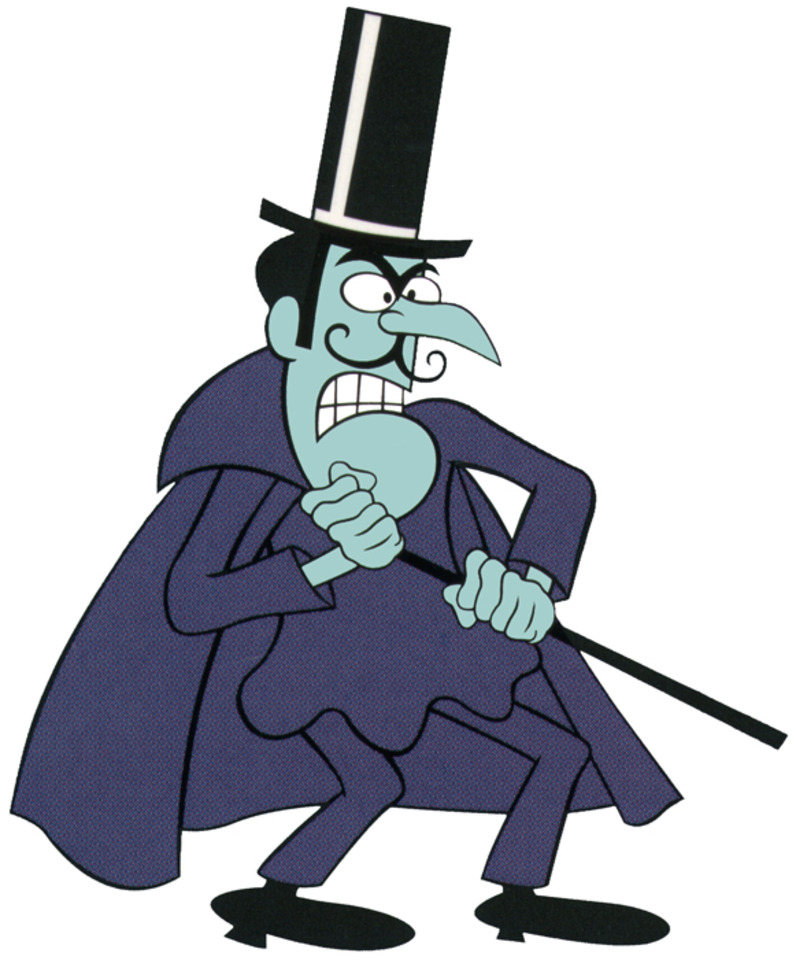
People may ask, Who is Snidely Whiplash, but no one ever asks how is Snidely Whiplash!

Unfortunately, songs don’t come with warning labels indicating that their lyrics are meant to be villainous. The radio DJ is not going to outline, as I have, all of the proper ways to navigate depression prior to playing the tune; they’re just going to play it and cut to commercial. If you fast-forward to the early 2000s, the Attitude Era, when the wrestling was meaner, nu-metal was on the rise, and those with a propensity toward blue eyes began to be angry for what seemed like no reason, we have famed angry man Fred Durst covering this song with his group Limp Bizkit. The demographics catered to by Limp Bizkit are certainly different from those of The Who, and the tragedy of taking this song at face value becomes much more apparent. If you read the YouTube comments for the Limp Bizkit cover, you’ll see scores of people connecting to this through their own depression, or through someone they know who has passed away, one notably by suicide; you can plainly see that people are uncritically connecting to this song despite its concretely harmful message.

This isn’t unique to art. The villainous strategies to corrupt legitimate needs abound. Demagogues don’t provide warning labels either. The racist mass shooting in Buffalo was in response to real anxiety over the impacts of poor resource management on the future – a genuine cause for anxiety, but an obviously horrific strategy to meet the needs underlying that fear. Racism in general preys upon the need for security, reassurance, and belonging, and if it isn’t any of those needs, I bet there it’s one similar. The threats and fears may be real or manufactured, but the strategy to meet them is what is important. Sometimes the most effective strategy is to reevaluate the threat. Anxiety is not inherently intuitive, after all.

Whole lotta really old memes in this one. You can tell I try to cater to the no-longer-that-young crowd

The thing is, though, Behind Blue Eyes is a great song, and it does connect very meaningfully to some very universal feelings of hurt and loneliness. There is a good reason why people respond to it the way they do, in the same way that people respond to racism or similar ideologies with equally terrible practical outcomes. It’s also why these ideas are so perniciously resistant to reason: they’re not based on reason!

A lot of the times people will convince themselves their beliefs are based on facts and logic because that’s far more modern than those rubes from before science was invented, but the same is true for all of us. Reason is a slave to the passions, after all. These people don’t need an argument, they need a hug and to be told they’ll be okay – even if, and perhaps especially if, an argument is what they’re clamouring for. We are driven by our emotions and our needs, that’s fine and valid, but we need to use our heads to arrive at strategies that will actually satisfy them lest we destroy ourselves or those around us.