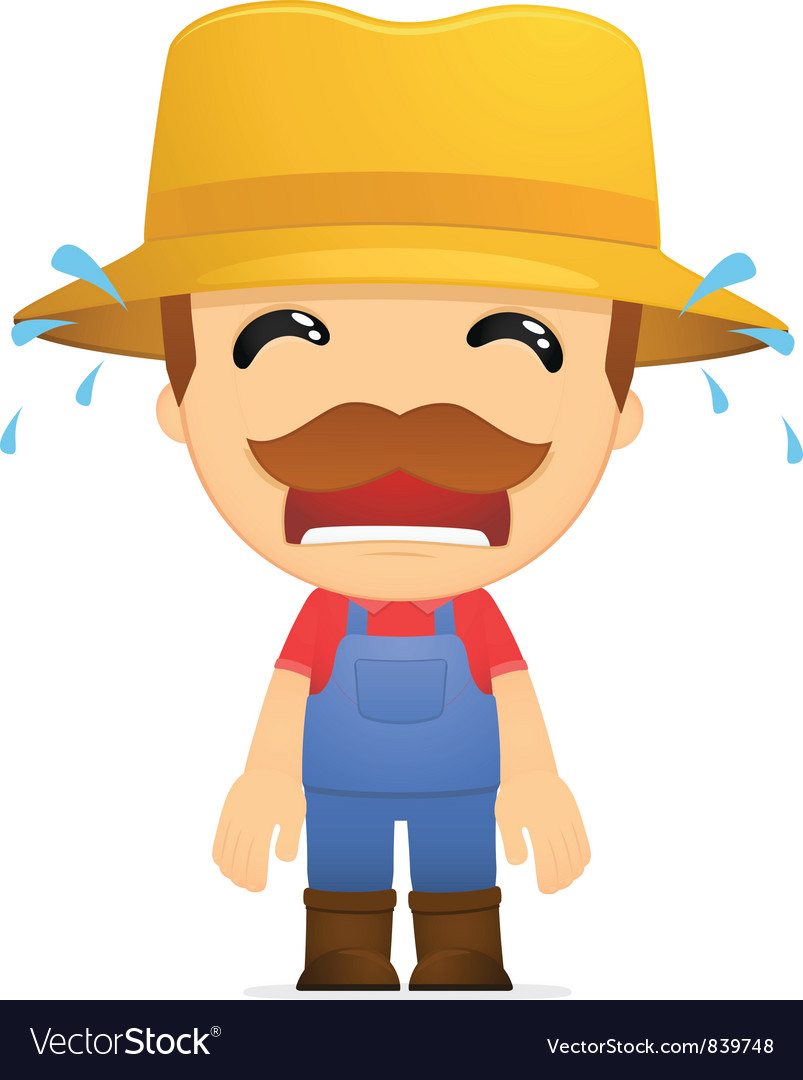
Once upon a time, there was an old farmer who had worked his crops for many years. One day his horse ran away. Upon hearing the news, his neighbours came to visit. “Such bad luck,” they said sympathetically, “you must be so sad.”

“We’ll see,” the farmer replied.

The next morning the horse returned, bringing with it two other wild horses. “How wonderful,” the neighbours exclaimed!  “Not only did your horse return, but you received two more.  What great fortune you have!”

“We’ll see,” answered the farmer.

The following day, his son tried to ride one of the untamed horses, was thrown, and broke his leg. The neighbours again came to offer their sympathy on his misfortune.  “Now your son cannot help you with your farming,” they said.  “What terrible luck you have!”

“We’ll see,” replied the old farmer.

The following week, military officials came to the village to conscript young men into the army. Seeing that the son’s leg was broken, they passed him by. The neighbours congratulated the farmer on how well things had turned out. “Such great news. You must be so happy!”

The man smiled to himself and said: “We’ll see.”
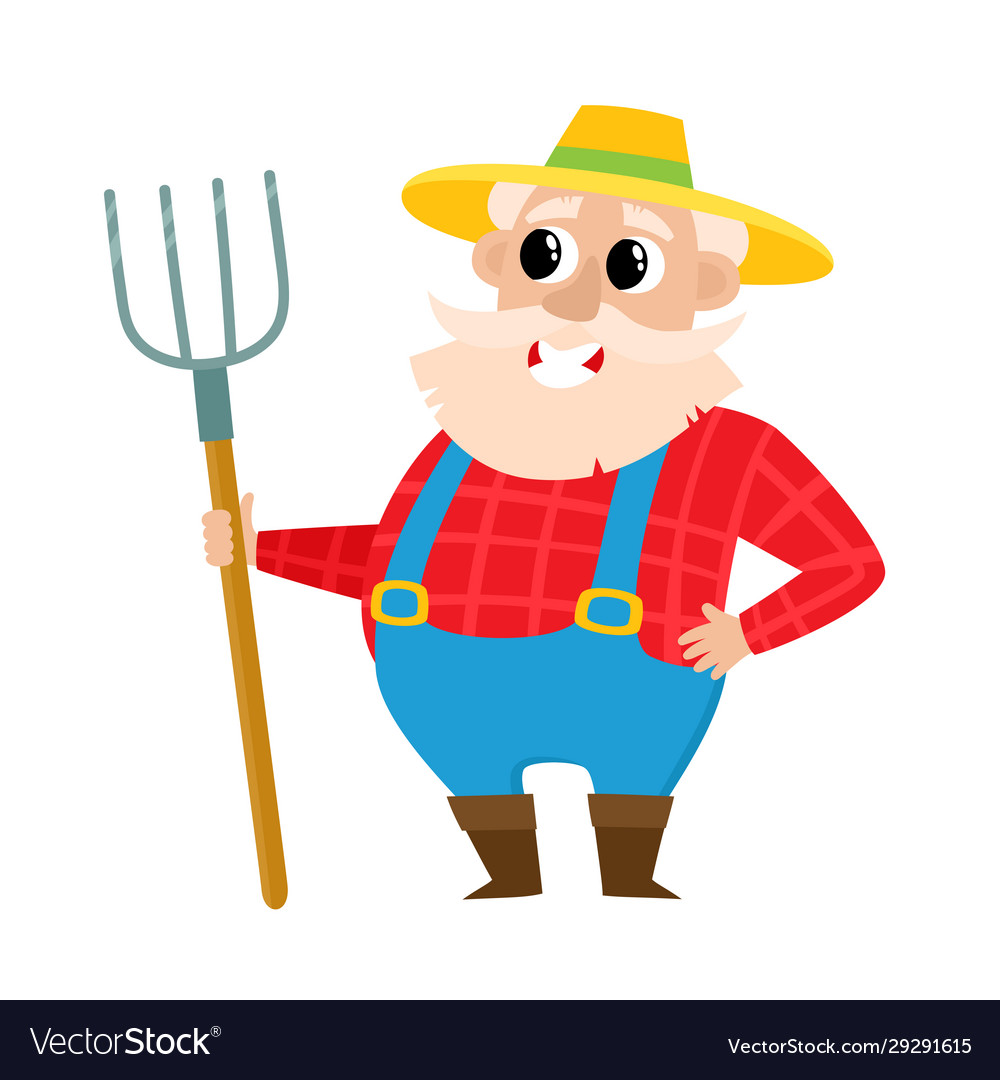
Such wisdom in the labourers of the land

Then, Donald Trump was elected president after running a campaign built on a foundation of vilifying Muslims and Mexicans, and bragging about sexual assault. The aghast neighbours complained to the farmer, “This is horrifying! Nothing could possibly be worse!”

The old farmer, unmoved, said, “We’ll see.”

In a few years, Donald Trump was impeached for a minority of the crimes he had committed while in office. And, despite the repudiation by the Republican-controlled senate, the neighbours were jubilant. “Finally, history will recognize the illegitimacy of this president! This is terrific!”

The old farmer, managing the various trade wars impacting agriculture at the time, said, “We’ll see.”

All of a sudden, there was a global pandemic. There were murder hornets. Donald Trump was advising people to inject bleach in lieu of the medically-proven preventative measure of wearing a mask. People were dying. Businesses were shutting down. The neighbours, ignoring social distancing measures, approached the old man. “This is apocalyptic! Surely you’ll acknowledge the objective fact that this is terrible! Come on, old man! What is your absolute deal!?”

The old farmer, nothing if not consistent, replied, “We’ll see.”
In this universe, rural voters are consistently Democrats.

Joe Biden won the election with a 7 million majority over Donald Trump. The first Blasian woman vice president was on his ticket. He had promised to bring the country back to normal. The neighbours, exhausted, said, “Doesn’t normal sound good? After all we’ve been through!? We just want to go to the movies and hug our loved ones. That’s not so much to ask! This is a good thing! Normal is good!”

The old farmer, the scope of whose lexicon is somewhat concerning, said, “We’ll see.”

After having fomented a soft coup for months, Donald Trump began an attempt to overthrow democracy. He lied about the election results, and went to bizarre lengths to discredit long-established norms. He refused to accept the results, and his enforcement of personal loyalty paid off as sycophants began to fall in line behind him. The neighbours, having developed this wonderful parabolic relationship with the old farmer, rushed to talk to him about it. “America is crumbling. Europe is literally breaking apart. The world order is shifting seismically. We will break you, old man! Something is going to get through!”

Quoth the old farmer, “We’ll see.”

And then 2020 ended. The year from hell had finished its revolution around the sun. The neighbours, their ranks thinned by the pandemic, collapsed at the doorway of the old farmer. “We did it! We made it to the end! This is cause for celebration!”

The old farmer, noticing a tickle in his throat, coughed. “We’ll see.”

Now, I don’t know who is reading this: you could be different from me. Presumably you at least speak English, but that may be where our similarities end! For the sake of simplicity, however, I will refer to my reader and myself as an “us”, so strap in, because we’re in this together whether you like it or not.

The people who are different from us are often perceived as threatening. Different means unknown, and fear and the unknown go together like jam on toast. Some people don’t like jam on toast; those people are different and therefore threatening.

I’ve got my eye on you…

The thing is, harm can come from anyone. People who are different may be spookily unknown, but people who are the same as us can be just as, if not more, dangerous. Sexual assault is predominantly perpetrated by someone who is familiar to the victim, and intimate partner violence, which makes up a quarter of reported violent crimes, requires sameness as people who are in relationships often have similar backgrounds and perceptions of the world.

Difference is ultimately irrelevant to someone’s predilection toward causing harm. If I were to assume that the people who are like me are not dangerous, then I have to do some serious self-reflection about whether or not I am fundamentally harmless. If I am, huzzah! But if I am belligerent, mistrustful, aggressive or maybe I just condone violence against those who are different from me, then it is not difference that is the threat, but sameness.

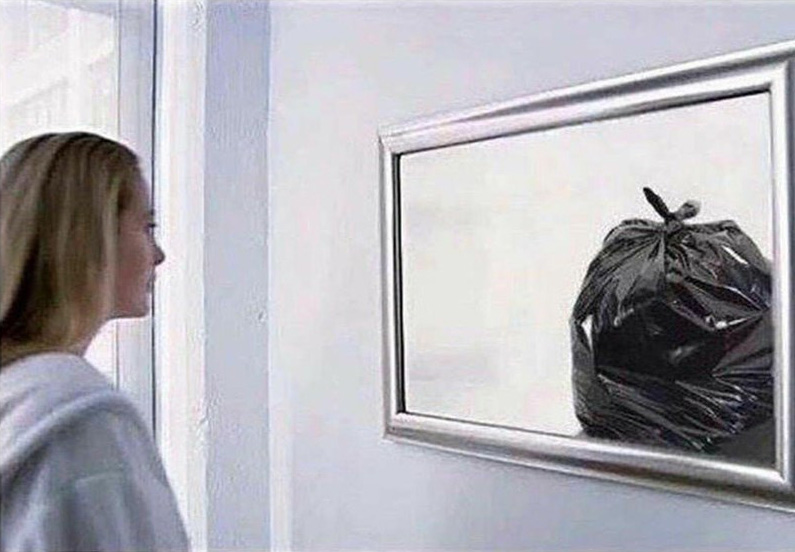
Take a good, long look

It could be argued that fear of the unknown, and aggressiveness against it as a defense mechanism, is basic human nature, and maybe it is. Which means, in fact, that sameness is the problem, since all those scary people who do things differently from us are only a threat if they follow our all-to-human pattern of aggression toward difference. Luckily, we can socialize ourselves away from this mutually-assured destruction. Civilization itself is a means of overcoming human nature, so it is not unprecedented.

Exposure to and the embracing of the different is literally the only way to grow. New ideas, different skill levels, different approaches to a problem: these do not arise under familiar circumstances. If someone has a different way of connecting to their spirituality, or a different way of understanding gender, or any number of different ways of being different, then this is an opportunity to learn. Difference isn’t a threat, it is an opportunity every time.

The threat comes from those who want everybody to be the same.

The ship of Theseus is an ancient philosophical thought experiment about the nature of identity. Theseus is an ancient Greek dude, and like all the ancient Greeks that we hear about, he had a ship. Unfortunately, Theseus’s ship ran into some hard times, and needed to have some parts replaced. A plank here, a plank there. All the sails at some point, I guess. The point is, after a while, every single part of his ship had been replaced with a newer one. The questions is: how is it still Theseus’s ship if literally nothing of the original remains?

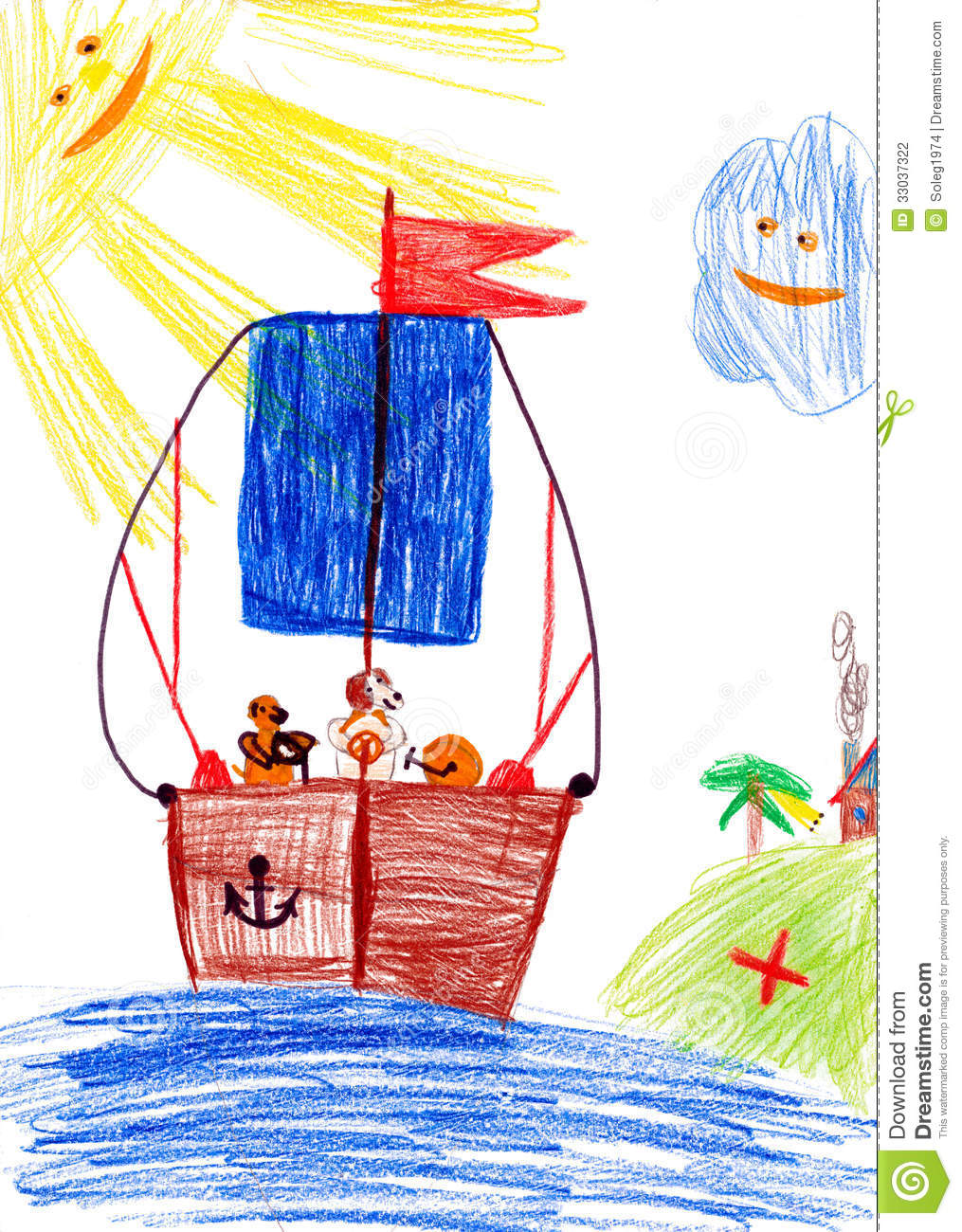
Little known fact: Theseus was a dog this whole time

Aging is, in scientific terms, a son of a bitch. Our muscles atrophy; our hearing starts to go; and, in some cases, we lose our memories and our grip on the reality around us. We too become slowly replaced over time, just not with newer parts as with Theseus’s ship, but with older, crappier parts that give out and have a mustier smell. When our older family members develop dementia, we struggle with the same kind of identity crisis as Theseus. We are looking at someone that we used to know in one way, and now none of the original parts seem to remain.

Dementia in a loved one is actually incredibly difficult to witness, and I am insensitively making light of the situation. I’m not going to stop, but it’s important to acknowledge.

I do believe that the ship of Theseus maintains its identity over the duration of its incremental replacement because there remains a single constant: Theseus. It’s Theseus’s ship because Theseus sees it that way, with a degree of social corroboration as well (people will, for the most part, agree that it is still Theseus’s ship – otherwise they would see it as stolen). The identity of the ship exists in its relationships just as much as it does in its material make-up.

The same holds true with dementia. Before my grandmother passed away, she developed dementia and no longer saw me as her grandson. However, I still saw her as my grandma because my inevitable deterioration has yet to begin. We maintain our relationships with our loved ones, and that maintains their identity. She was my grandmother. That relationship never changed even if her own perception of her active relationships had shifted wildly. Even if she no longer sees me as her grandson, this is irrelevant. Keep in mind how the ship might relate back to Theseus, given how it is an inanimate object. It wouldn’t, is my point. We define how we relate to others, for better or for worse.

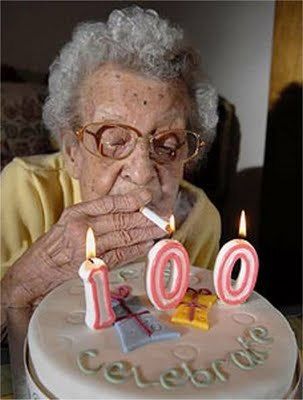
This is not my grandmother, but wouldn’t it be great for this blog if it were?

Part of who we are is certainly the sum of our parts. Our physical and psychological body cannot be fully cleaved from the concept of our identity, but these, our physical body especially, are only superficial facets of who we are. I am a son, a brother, a partner, a friend, a coworker, and a bitter, hated enemy. I had a grandmother, and that defined who she was to me. Theseus had a ship, and it was how he related to that ship that defined its identity regardless of how many planks ended up being replaced. If you continue to love them, they will continue to be your loved ones.