While defining terms is always ambiguous, as any Socratic analysis of a potential virtue might be, I’m going to look at the concept of “strength” as a binary of two distinct yet related characteristics. On the one hand, strength is the capacity to act; as power. On the other hand, strength is the capacity to endure; as resilience. To wit, the gym maxim of “no pain, no gain” highlights the resilience of strength, and the sculpted muscular physique that results from that endurance represents nicely its power. Strength as pains; strength as gains.
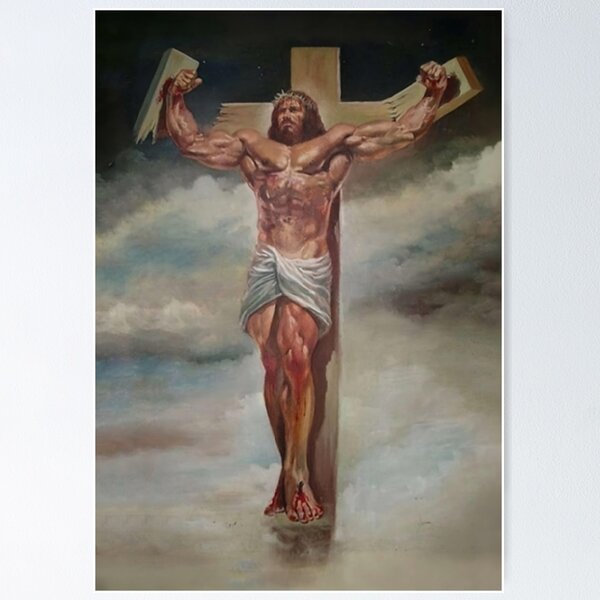
The symbolism of the weightlifting process and therefore the inextricability of this binary is often used to justify strength as a virtue. Might does not make right but is right. The strong are virtuous because they have suffered in order to gain that strength. Think of the white man confronted with his privilege who defensively brings up all he has struggled. Or Elon Musk, who now denies that his father owned shares in an emerald mine despite admitting as much in an interview in 2014. The illusion of meritocracy demands that those at the top must have earned that position in order for a just universe to exist. Might must be right because the moral foundations of our vastly unequal society would crumble otherwise. The justification for their power has to be their resilience, the binary of strength holding this rotted-out house of cards together.
The virtue of resilience exists even without power. The cancer patient who fights every day to get out of bed to attend chemotherapy in order to make it to Christmas. The recovering drug addict who relives the sober pain of their past traumas and manages to resist the unyielding craving to press the “fuck it” button and live in numbness once more. The unhoused person who manages to get a job, pull themselves up by their bootstraps, and begins to live a shade above desperate poverty. These virtuous souls use what limited power they have to make unearthly choices every day to succeed beyond what anyone might expect of them. While eagle-eyed readers can likely tell where this is all going, I say with all sincerity that the people who manage to do these things are beyond impressive. Their courage, determination, and passion for life are humbling. But is their capacity to suffer virtuous?
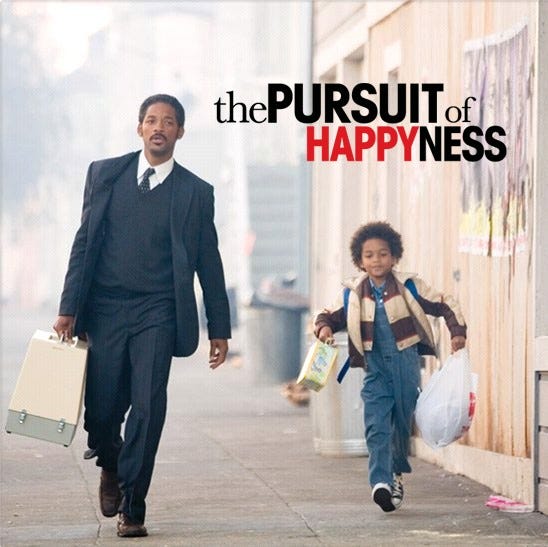
A character that I find myself returning to again and again is Bigger Thomas, the protagonist of Richard Wright’s novel Native Son. Bigger is a young black man in 1930s America. He is angry, he is violent, and he is abusive to people he cares about. He ends up killing a nice white woman and, later, his girlfriend through a series of events that elucidate an oppressive social system that plays just a big of a role in these killings as the choices that he makes. Bigger Thomas, regardless of his actions, was always going to be damned.
We understand the viciousness behind Thomas’s choices as existing in a context; it is a mechanism of survival. Bigger Thomas is a kind of resilient that we do not often hear about. Wright’s success with this novel is that we see all of these events as a tragedy, nothing is justified, but we see them with a clarity often hidden. Thomas’s sole motivation throughout the novel is simply to stay alive. His resilience is not a virtue. His resilience is basic necessity.

Is the cancer patient who simply goes through the motions of care, living only through momentum, immoral? Is the drug user who continues to use drugs because if they weren’t numb they would kill themselves less of a person than the one who stoically triumphs over their addiction? Is the homeless person who chooses to sleep outside because the housing options available are restrictive, unsafe, and disgusting imbued with a sin no god would ever forgive? All of them are surviving, but they are doing so on their own terms. This is the resilience that we fear.
We have determined that there is a socially acceptable way of dealing with pain – a position that is very easy to hold on the outside of it. Social workers and counselors are a taught strengths-based approach to therapy, and the classic modus operandi of engaging with someone who has experienced a trauma is to reframe their narrative of victimization into one where they are a brave survivor. You’ve been through so much, and look how strong you are for continuing to move forward! You are an action hero who has been hit by a car and is carrying on toward justice with barely a limp!
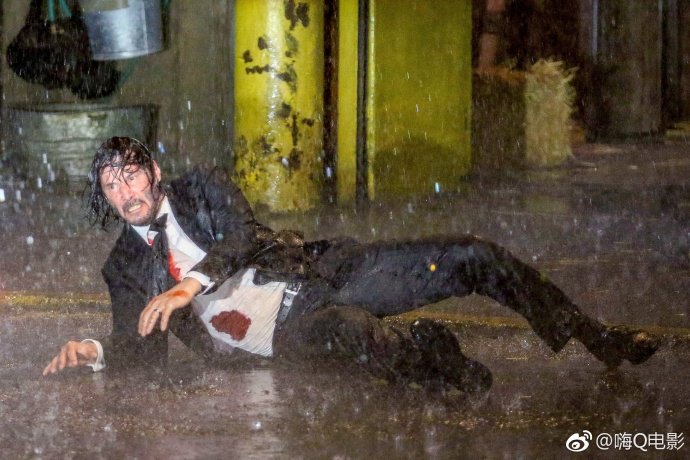
I’ve written previously about the “noble” professions that exist as the bulwark against the sea of desperate inhumanity keeping the people inoculated against the cognitive dissonance that would arise if they ever became aware of how their society creates the conditions that flood its streets with desperate inhumanity. I once worked with a young woman who had been addicted to crystal methamphetamines for years. A baby-step of a month into her sobriety, she tells me she was raped after being offered a ride home from a Narcotics Anonymous meeting. She was violated in a place that was supposed to be the agreed-upon cure to her ailment. She stayed sober despite this, and I pointed out the strength it must have taken to endure such a devastating encounter. Her words to me, spoken between sobs, “I don’t want to have to be strong anymore.”
We demand perfection from our victims in every instance of pain. Palestinians cannot be mourned in their genocide if I can point to one of them and call them antisemitic. Capitalism cannot be condemned if I can point to a welfare bum and call them lazy. The concept of resiliency does not exist solely to justify the mighty but also to dismiss the demands of the powerless. If you simply suffered in a way more befitting of polite society, perhaps you would not be in such a predicament!
Both instances of strength as a virtue appear more to justify the social status quo than they do to justify a genuine life well-lived, as Aristotle intended in his ethic. This isn’t new. We have to abandon strength as a virtue not just to validate the lived experiences of those who endure pain in ways we might not understand, but also to nullify the justifications of the powerful for their righteousness. If someone tells us that they earned their power because of how much they suffered in their striving toward this goal, we should ignore them because it does not. fucking. matter. While achieving greatness through adversity is certainly an inspiration, so is having massive, quivering biceps, and we do not ascribe an ethical imperative to the latter. The common sense ethical imperative is actually to reduce pain, and while the methodology of that reduction can have reasonable debate, the end goal should not. As a society, we appear to have given up on this goal, preferring instead to find ways to justify accepting the world as it is. Personally, I’ve stopped telling victims of abuse that they’re strong, and instead reinforce that their pain is, in fact, bullshit.

